
Bubbles and curling are the two most common defects in BOPP film lamination — one comes from the bonding process, the other from the physics of heat and paper. Here is how to kill both.
Bubbles and curling are the two most common defects in BOPP film lamination — one comes from the bonding process, the other from the physics of heat and paper. Here is how to kill both.
What Bubbles Actually Are
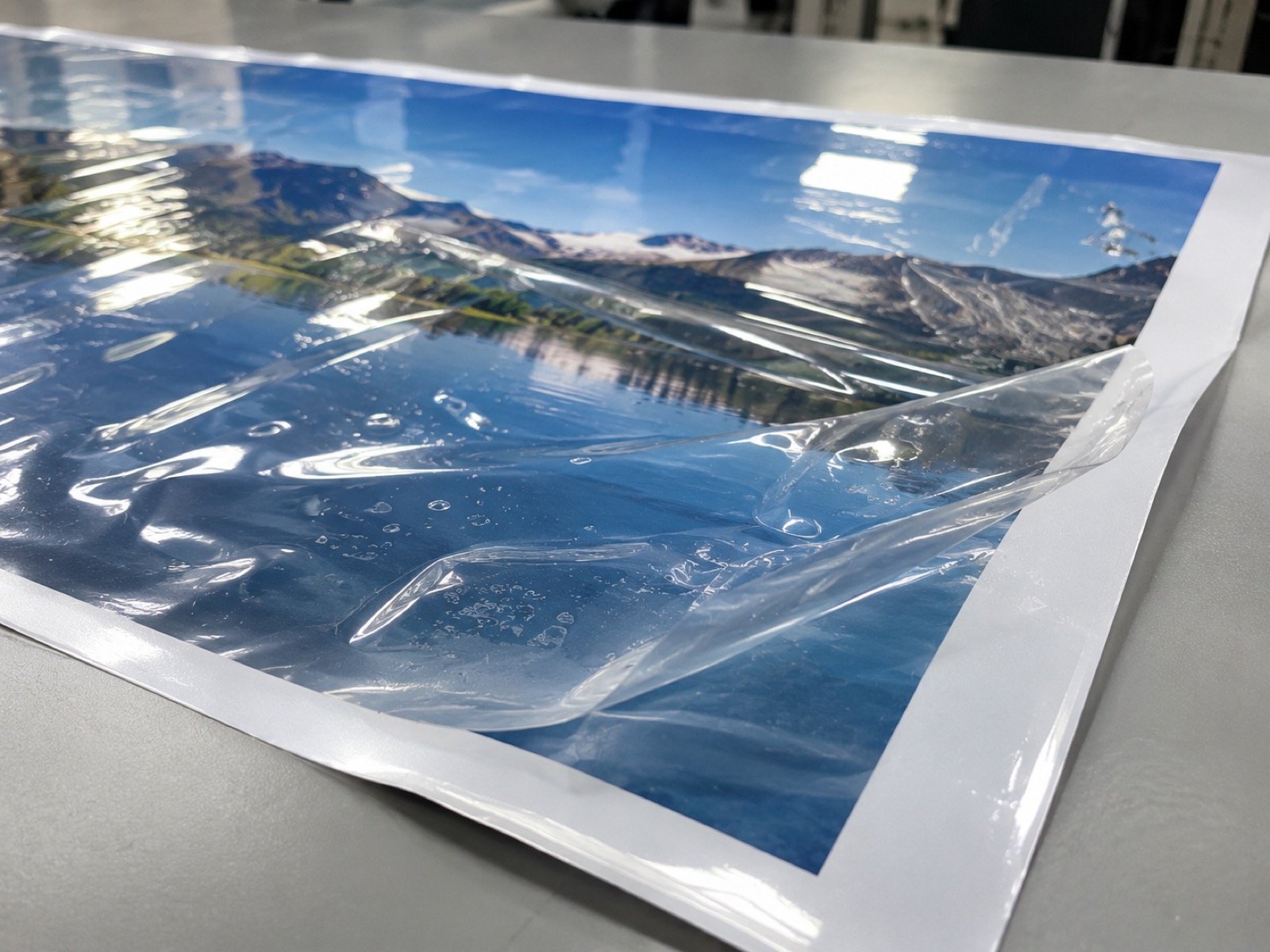
A bubble is a pocket of air or gas that the molten adhesive failed to wet out or squeeze out during the nip. Large bubbles (several millimeters) usually mean air entered between the layers; micro-b…
The Six Sources of Bubbles, in Order of Frequency
Ranking from years of troubleshooting film-and-machine issues: Dust and debris on the film or sheet surface — the #1 cause. Every speck under the film is a bubble waiting to appear.
The Bubble Elimination Sequence
Work through these in order — most cases resolve at step two or three: Wipe the film surface and clean the feed table. Yes, it is that unglamorous, and yes, it fixes a surprising share of cases.
Why Sheets Curl
Curling is a moisture and stress story. Heat in the nip drives moisture out of the paper’s outer layer; the film side then shrinks differently than the unheated side as the sheet cools.
The Curling Elimination Sequence
Lower the nip temperature 5–10°C — often the single most effective move. Increase speed slightly — less time in the nip means less heat pushed into the sheet.
Machine Features That Prevent Both Defects
If you are evaluating laminating machines, several features directly target these two defects: Independent upper/lower roller temperature control — lets you heat only the film side for heat-sensiti…
A Morning Routine That Prevents Both
Shops that rarely see bubbles or curling tend to share the same fifteen-minute routine: Start machine warm-up before the first job is even set up. Wipe rollers and feed table.
Are bubbles always the machine’s fault? — No — in practice, surface dust and paper moisture cause more bubbles than machine faults. Check those two before adjusting anything.
What temperature stops bubbles? — There is no single number — BOPP thermal films typically run 80–125°C. Start at the film supplier’s recommendation and adjust in 5°C steps based on the first sheets.
Key takeaway
Shops that rarely see bubbles or curling tend to share the same fifteen-minute routine: Start machine warm-up before the first job is even set up. Wipe rollers and feed table. Run three waste sheets and inspect them under light before feeding good stock. Check that paper stock has been in the room overnight, not delivered straight from a cold truck. Record the temperature/speed settings that worke
Request free film samples or send your specification — we reply with a quotation within 24 hours.
Frequently Asked Questions
What Bubbles Actually Are?
A bubble is a pocket of air or gas that the molten adhesive failed to wet out or squeeze out during the nip. Large bubbles (several millimeters) usually mean air entered between the layers; micro-b…
What buyers should know about the Six Sources of Bubbles, in Order of Frequency
Ranking from years of troubleshooting film-and-machine issues: Dust and debris on the film or sheet surface — the #1 cause. Every speck under the film is a bubble waiting to appear.
What buyers should know about the Bubble Elimination Sequence
Work through these in order — most cases resolve at step two or three: Wipe the film surface and clean the feed table. Yes, it is that unglamorous, and yes, it fixes a surprising share of cases.
Do you provide free samples?
Yes. We provide free samples of our core BOPP film grades for testing; you only cover the courier cost.
What is your MOQ and lead time?
Typically 1,000–3,000 m² per specification (about 500 kg). Standard grades usually ship within 7–15 days; samples within 1–2 working days.